SU LABTIME · SPACE · REWIRE
OPENING JANUARY 2027Founding team now recruiting
Systems immunology at Penn

Read the tissue.
Rewrite the cell.

We uncover how developmental history and tumor geography shape T-cell fate—then use those insights to engineer durable cellular immunotherapies.

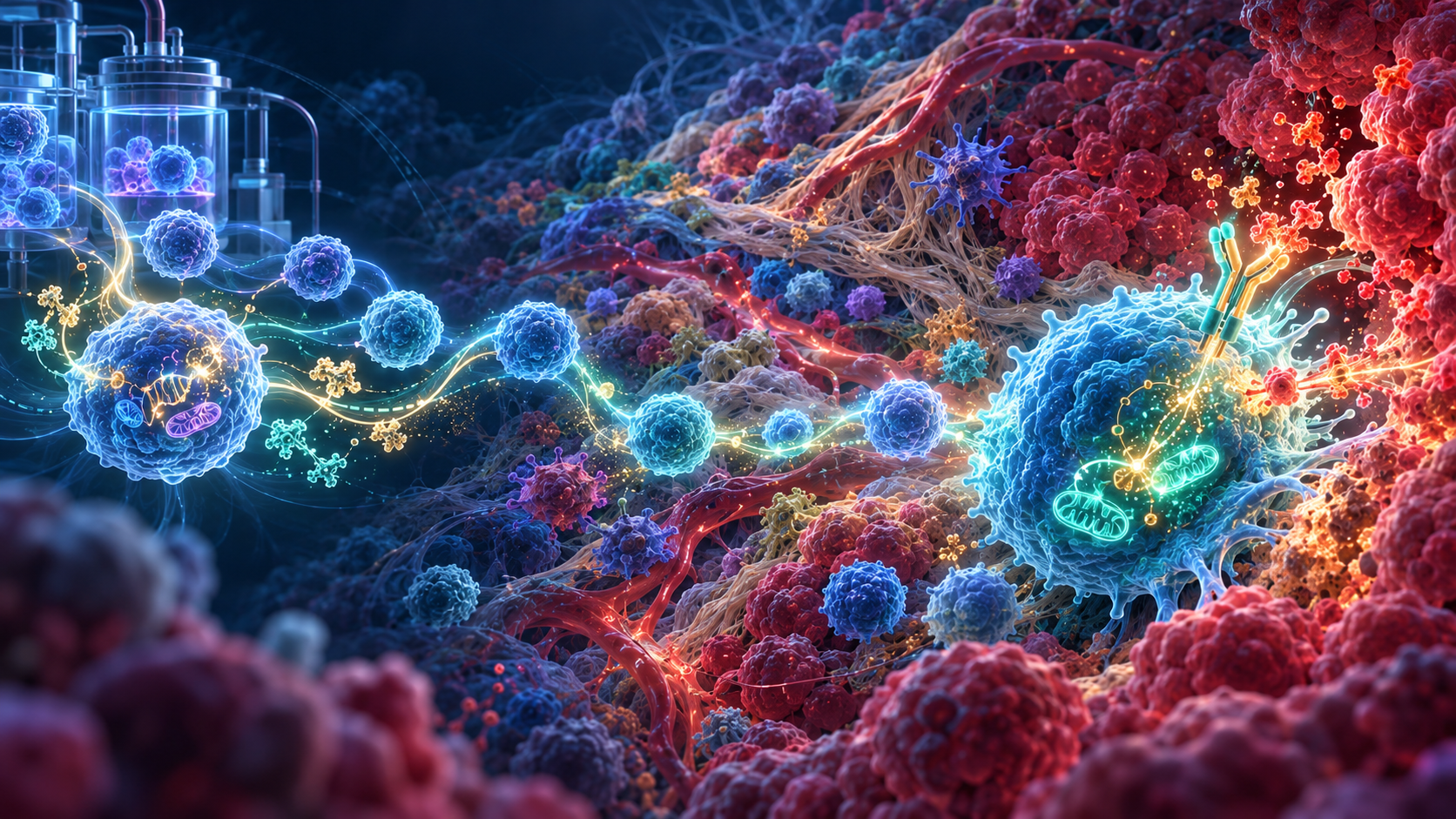
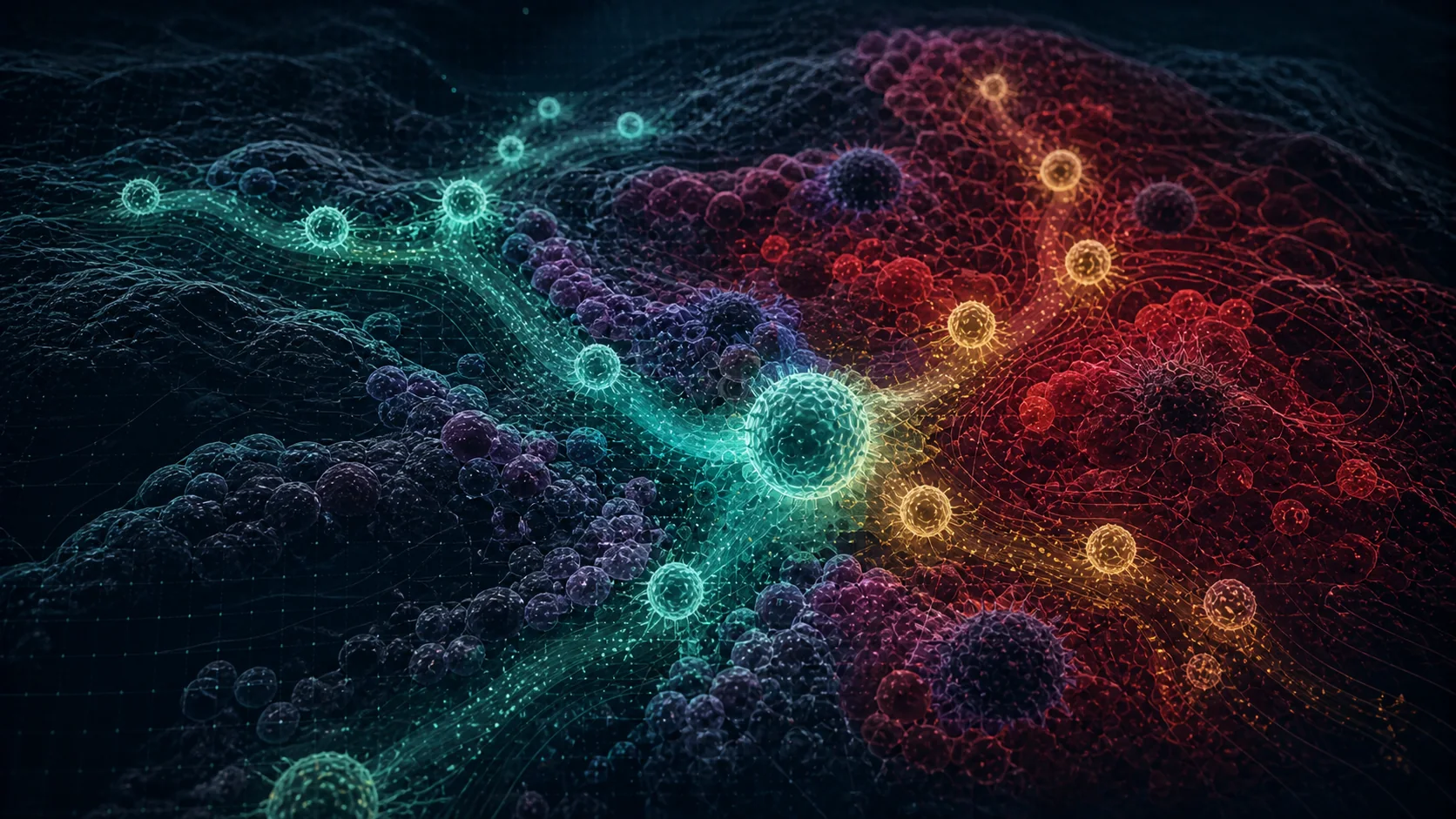
Conceptual illustration connecting T-cell developmental programming, heterogeneous tumor neighborhoods, and synthetic rewiring for durable antitumor function
01 Developmental history meets tumor geography engineering redirects fate
TIME Program the cellSPACE Decode the tissueREWIRE Engineer durable immunity
LAB MOMENTUMDated highlights

Perelman School of Medicine · University of Pennsylvania

01Pathology & Laboratory Medicine02Institute for Immunology & Immune Health03Abramson Cancer Center04Parker Institute for Cancer Immunotherapy
The research loop in motion

Watch a cell’s future
become engineerable.

History shapes a therapeutic T cell. Tissue geography tests it. Causal mechanism reveals where intervention is possible—and engineering turns that knowledge into a new cellular instruction.

01 · HISTORY02 · NEIGHBORHOOD03 · MECHANISM04 · INSTRUCTION
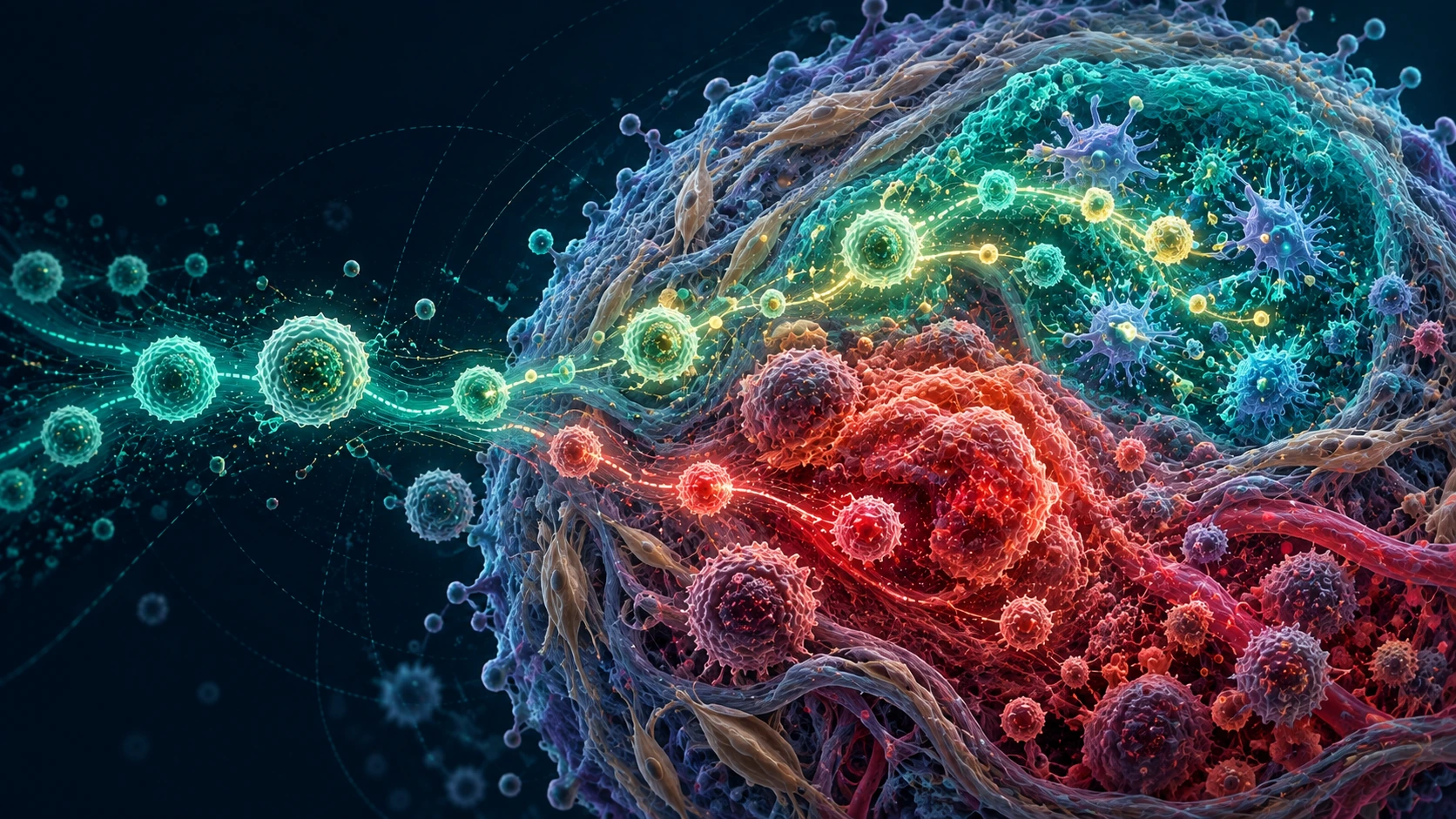
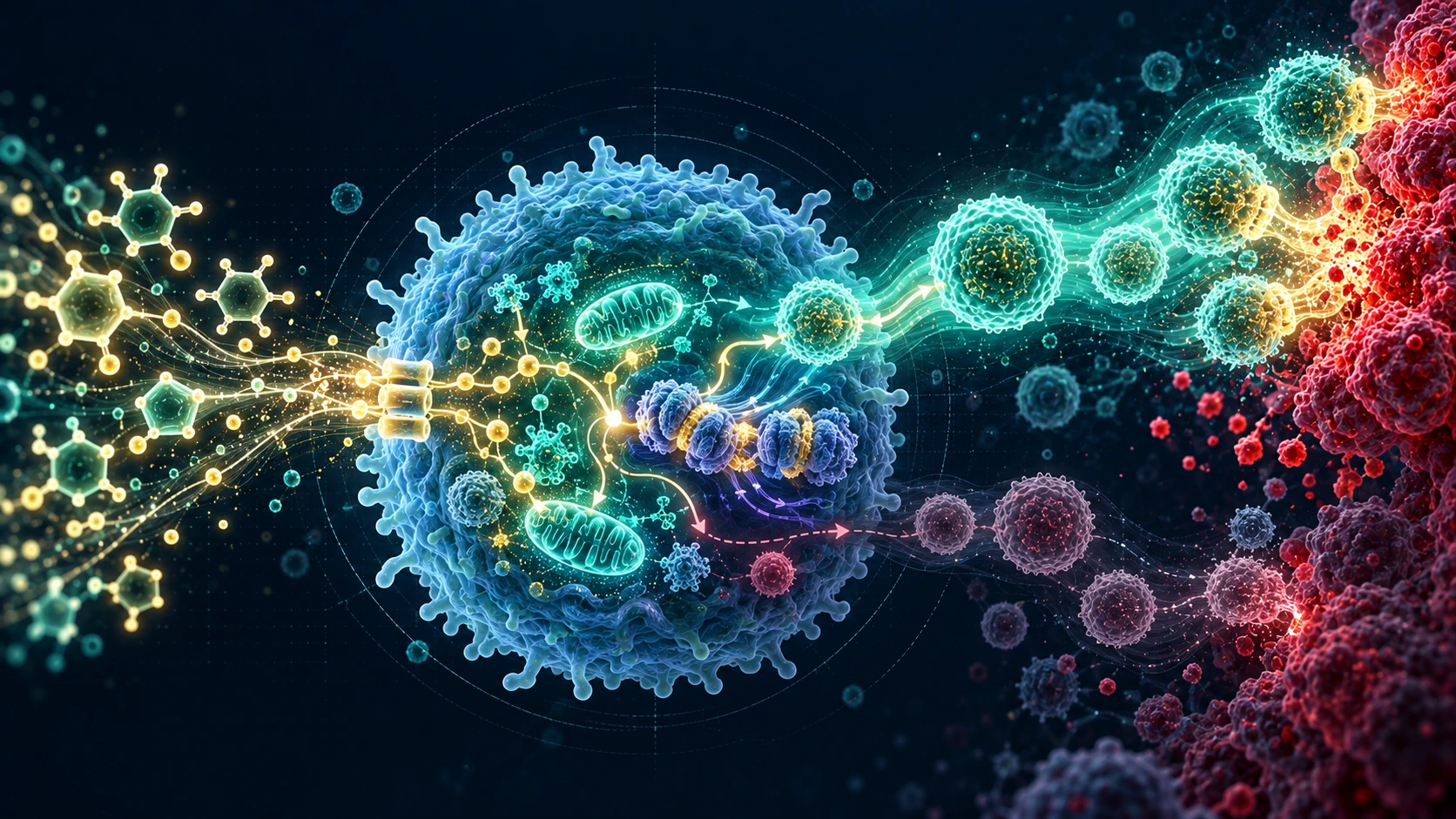
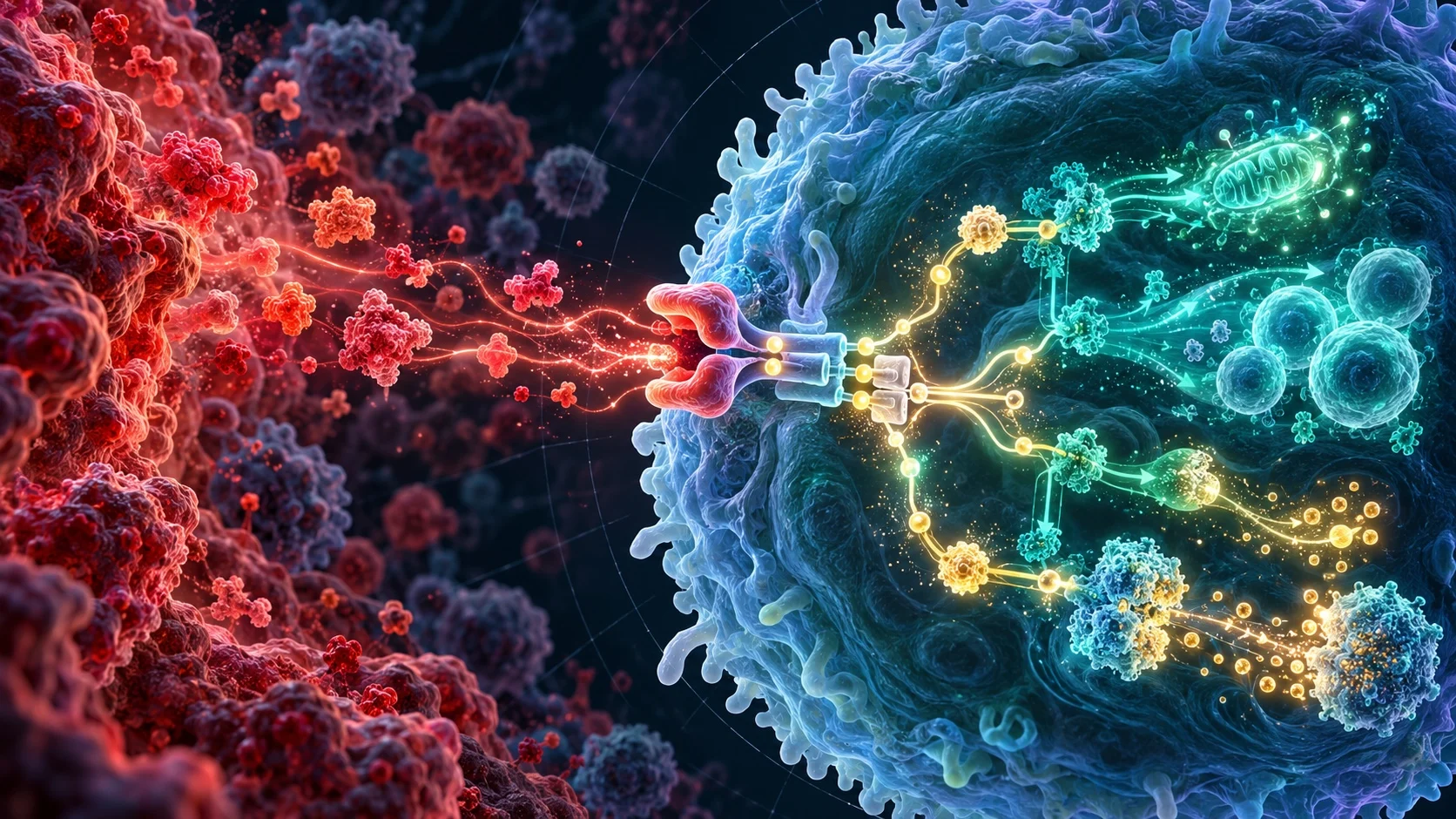
Temporal windows in T-cell fate commitmentConceptual illustration of engineered T cells adopting different fates across spatial tumor neighborhoodsConceptual illustration of metabolic programming redirecting engineered T-cell fate and antitumor functionEngineered T cell converting tumor suppression into a therapeutic instruction
SU LAB · TIME → SPACE → REWIREPLAYING
Scientific manifesto

The map is only
the beginning.

01

Measure

Resolve cell state across time and tissue geography.

02

Explain

Convert association into causal molecular mechanism.

03

Engineer

Convert mechanism into therapeutic instructions.

Research program

One cell.
Two decisive environments.

A therapeutic T cell carries a history. Its fate begins during manufacture, then collides with the metabolic and signaling geography of a tumor. We study both—and the causal links between them.

01 / TIME
Sequential T-cell fate trajectories across formative biological windows
plasticitycommitmentdurability

Program fate before infusion

We use temporal CRISPR screens, perturbation-based lineage tracing, and multi-omic profiling to find the formative windows when metabolic and epigenetic cues can bias T cells toward durable immunity.

The question
Which formative signals preserve a T cell's capacity for durable function before it ever sees a tumor?
  • sc-Temporal-Perturb-seq
  • Metabolic and epigenetic blueprinting
  • Combinatorial signal discovery
Enter the TIME story
02 / SPACE
Therapeutic T cells navigating metabolic and suppressive tumor neighborhoods
nichegradientadaptation

Decode the tumor’s geography

We resolve suppressive cell neighborhoods and metabolic gradients in pancreatic tumors, then perturb those interactions in vivo to reveal which spatial niches drive therapeutic T-cell dysfunction.

The question
Which tumor neighborhoods impose irreversible dysfunction—and which still offer a window for rescue?
  • Spatial perturb-omics
  • TME interaction mapping
  • Spatial metabolic flux models
Enter the SPACE story
Synthesis

Turn tumor cues into instructions.

We convert mechanistic insight into living medicines: synthetic receptors that turn suppressive signals into activation, metabolic programs that preserve stemness, and proteostasis circuits that resist exhaustion.

The questionCan a suppressive cue become the very signal that sustains therapeutic function?
Engineered T cell converting suppressive tumor cues into intracellular survival and activation programs
suppressive cueengineered instruction
Enter the REWIRE story
Discovery stories

Three discoveries.
One operating logic.

Start with a consequential question. Resolve the mechanism. Use the answer to change what a therapeutic cell can do.

Temporal T-cell trajectories converging on a durable functional state
PROTEOSTASIS → DURABILITY
01
Nature · 2026

Protect the machinery that sustains T-cell function.

The question
Why do chronically stimulated T cells lose mitochondrial fitness and durable function?
The discovery
Convergent analysis across 136 datasets identified the FOXO1–KLHL6 axis as a proteostasis checkpoint suppressed by persistent TCR signaling.
The consequence
A mechanistic route toward engineering T cells that resist exhaustion instead of merely measuring it.
Follow the evidence
Conceptual illustration of mannose metabolism reprogramming T-cell fate toward durable antitumor function
METABOLISM → CELL FATE
02
Cancer Cell · 2025

Program therapeutic potential before the tumor encounter.

The question
Can a metabolic input during cell preparation alter the future of an antitumor T cell?
The discovery
Mannose exposure reshaped T-cell differentiation and installed a stem-like program linked to stronger antitumor activity.
The consequence
Manufacturing becomes an opportunity to deliberately encode persistence before infusion.
Follow the evidence
Engineered T cell converting a suppressive tumor cue into survival and activation programs
SUPPRESSION → INSTRUCTION
03
PNAS · 2025

Make the tumor’s suppressive signal work for the therapy.

The question
Can a hostile microenvironmental cue be converted into a signal that sustains therapeutic cells?
The discovery
A synthetic TGF-βR/IL-2R fusion receptor transformed TGF-β exposure into pro-survival IL-2 signaling.
The consequence
The tumor microenvironment becomes an input for programmable cellular behavior.
Follow the evidence
How we work

Measure broadly.
Perturb causally.
Engineer deliberately.

The lab operates across wet-lab immunology, quantitative biology, and cell engineering. We do not stop at molecular maps: every model is a hypothesis generator, and every candidate mechanism is tested in cells and tissues.

See where you could contribute
Spatial transcriptomicsSingle-cell multi-omicsTemporal CRISPR screensPerturb-seqLineage tracingSystems modelingProtein engineeringImmunocompetent tumor modelsSpatial transcriptomicsSingle-cell multi-omicsTemporal CRISPR screensPerturb-seqLineage tracingSystems modelingProtein engineeringImmunocompetent tumor models
43peer-reviewed publications15competitive grants and research awards34honors and distinctions11undergraduate and postbac trainees
Scientific and training impact

From cell-state maps
to programmable immunity.

Flagship scholarship, competitive support, trainee trajectories, and public reach—selected signals from a program built to connect discovery with consequence.

Yapeng SuPhoto: STAT Wunderkinds
Principal investigator

Yapeng Su, PhD

Systems immunologist · Cell engineer · Quantitative biologist

Yapeng Su is launching the Su Lab in the Department of Pathology and Laboratory Medicine at Penn’s Perelman School of Medicine. He studies how T cells make fate decisions across space and time, combining molecular mechanism, single-cell and spatial measurement, quantitative modeling, and therapeutic engineering to design more durable TCR-T cells for solid tumors.

NIH/NCI K99–R00STAT WunderkindDamon Runyon Quantitative Biology FellowAllen Institute Next Generation Leader
Launching at Penn

Help build a lab where
disciplines collide.

We pursue ambitious, high-impact science in a fast-moving training environment built on discipline, rigor, direct feedback, and generous teamwork. The standard is high—and so is our investment in each person's growth and next career stage.

01

Build from first principles

Founding members help establish the experimental systems, analytical standards, and scientific language of the laboratory.

02

Own consequential questions

Early projects are designed for genuine intellectual ownership at the intersection of immunology, spatial biology, and cell engineering.

03

Train for the next leap

Direct PI mentorship, fast feedback, cross-disciplinary fluency, and deliberate career preparation are built into the lab’s operating model.

ImmunologySpatial biologyCell engineeringComputational biologyFunctional genomics
Explore opportunities